Understanding Arizona DUI Checkpoints: A Legal Opinion
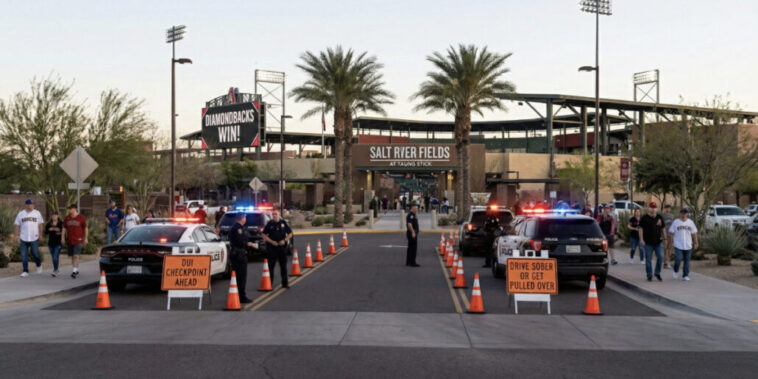
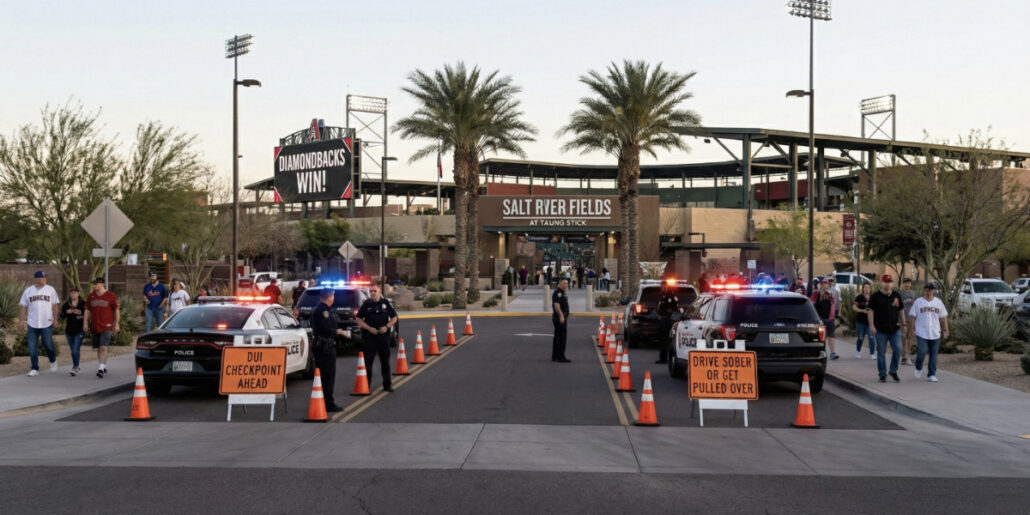
In Arizona, DUI checkpoints are a common sight, especially during major sporting events in cities like Glendale, Phoenix, Scottsdale, and Tempe. While the intention behind these stops is to promote road safety and discourage drunk driving, the process is full of tricky parts and tangled issues that can leave drivers feeling overwhelmed. Today, we take a closer look at how these checkpoints work, what legal rights drivers hold, and the various defense strategies available if a DUI charge follows a checkpoint stop.
Many people find the whole concept of DUI checkpoints to be nerve-racking. It is easy to feel intimidated when being pulled over by law enforcement, but understanding your rights can help you steer through the process more confidently.
Legal Landscape: Are DUI Checkpoints Allowed?
Arizona law permits sobriety checkpoints provided that law enforcement strictly follows constitutional guidelines. Authorities must adhere to clear procedures that ensure stops are not arbitrary and are based on a neutral plan. For example, officers may be required to pull over every third or fifth vehicle. This method is designed to prevent any bias and to ensure that drivers are selected using a preapproved schedule.
The Arizona Supreme Court case, State v. Superior Court (Simmons), emphasized that checkpoints must be established with precision. In this decision, the court clarified that a checkpoint is lawful only if it meets the specific standards meant to safeguard drivers’ Fourth Amendment rights. Thus, while checkpoints are legal, any deviation from these established protocols can lead to legal challenges.
Key Points on Legality
- Checkpoints must follow a predetermined, neutral formula.
- Supervisors must approve the location, time, and procedures for these checkpoints.
- Any deviation from constitutional guidelines can be grounds for contesting the stop in court.
The legal framework governing DUI checkpoints is designed to balance public safety with individual rights. However, the fine points of these standards often involve subtle details that may be hard to understand without professional help.
How DUI Checkpoints Operate During Major Sports Events
During large sporting events, traffic in the region tends to be heavy, which provides an ideal setting for DUI checkpoints. Whether following a Cardinals game at State Farm Stadium or a spring training match in Scottsdale or Tempe, law enforcement officials set up these stops to catch drivers who may pose a threat on the road. The increased presence of officers is meant to deter drunk driving and keep fans safe.
At these events, checkpoints are typically located near stadiums, busy highways, or entertainment districts. Officers follow a systematic approach:
- Vehicles are pulled over based on a set schedule, not at random.
- Drivers must present their licenses, registration, and proof of insurance.
- Law enforcement conducts a quick visual assessment to look for obvious signs of intoxication – such as slurred speech, bloodshot eyes, or the odor of alcohol.
- If the officer observes behavior that indicates potential impairment, the stop might extend into a more detailed assessment.
This system works well from a public safety standpoint. However, it also contains tons of tricky parts that can lead to legal challenges if procedures aren’t followed to the letter.
Steps Involved in a Checkpoint Stop
| Step | Description |
|---|---|
| Initial Stop | The officer stops vehicles based on a predetermined pattern. |
| Document Verification | The driver must provide a driver’s license, registration, and proof of insurance. |
| Visual Observation | The officer looks for signs of impairment and conducts a brief assessment. |
| Secondary Investigation | If suspicious behavior is observed, further testing or questioning may follow. |
During these stops, drivers should remember to stay calm and follow police directions. Knowing what to expect helps in managing the sudden appearance of officers and the short, sometimes nerve-racking, interactions that follow.
Your Rights at DUI Checkpoints in Arizona
Driving through a DUI checkpoint can feel overwhelming, but Arizona law provides drivers with critical protections. It is essential for every driver to know these rights so they are prepared when encountering law enforcement.
What Identification Must You Provide?
Under Arizona law, drivers are required to present their driver’s license, registration, and proof of insurance when stopped. This is a basic request that all drivers must comply with. Beyond that, you have the right to remain silent regarding questions about your activities, such as details about your alcohol consumption or your whereabouts.
Right to Remain Silent and Refuse Questions
Once you’ve provided your identification, you are not obligated to offer additional details. While officers may ask about your recent activities or whether you have been drinking, you are not required to answer these questions. Talking too much can sometimes complicate things, so many experts recommend staying as terse as possible while still being polite.
Field Sobriety Test Participation
While you are not forced to take field sobriety tests – such as walking in a straight line, balancing, or following an object with your eyes – it is important to be aware that these tests are voluntary. If you choose to refuse, remain calm and politely decline. However, there are mixed opinions on whether refusal might negatively influence the officer’s perception of your cooperation.
It might help to consider this decision critically and, if possible, consult with a DUI attorney later on to understand its implications for your case. Remember that refusing a post-arrest breathalyzer test under Arizona’s implied consent law (ARS 28-1321) may lead to an automatic suspension of your license.
What About Vehicle Searches?
Many drivers are understandably worried about the possibility of their vehicle being searched at a checkpoint. Generally, the Fourth Amendment protects you from unreasonable searches. Police cannot search your car without probable cause, your consent, or under specific exigent circumstances.
If you are ever asked for consent to search your vehicle, you have the right to politely decline. This simple statement can help preserve your rights and may be useful if there is a legal challenge later on.
Field Sobriety Tests and Breathalyzer Challenges in DUI Checkpoint Cases
Field sobriety tests and breathalyzer devices play a significant role in DUI investigations. However, both procedures come with their own set of confusing bits and complicated pieces that may not always be reliable indicators of intoxication.
The Subjectivity of Field Sobriety Tests
Field sobriety tests often ask drivers to walk along a straight line or balance on one leg. These tests are highly subjective and can be influenced by factors like fatigue, uneven pavement, or medical conditions. For instance, someone with a balance disorder may not perform well, regardless of whether they are under the influence.
Because of these variations, these tests are frequently challenged in court. Defense attorneys often argue that such tests contain subtle parts fraught with problems and may not accurately reflect a driver’s true state.
Issues with Breathalyzer Tests
Breathalyzer devices are intended to offer a more scientific measurement of alcohol levels. Yet, they too are not without issues:
- Calibration errors: Devices must be calibrated regularly. If not, the readings could be inaccurate.
- Operator mistakes: The manner in which a test is administered can introduce hidden complexities that skew the results.
- Environmental factors: Temperature and other conditions can impact the device’s reliability.
For these reasons, the reliability of breathalyzers is often questioned in court. A defense attorney might argue that any deviation in the process – whether minor or major – results in a flawed test that should not be used as solid evidence against you.
Defense Strategies After a DUI Arrest at a Checkpoint
If you face a DUI charge after being stopped at a checkpoint, a thorough evaluation of the situation can be the key to a successful defense. Experienced lawyers understand that each case is unique, and the defense strategy should be tailored to address the specific twists and turns of your situation.
Challenging the Checkpoint’s Legality
One common defense approach involves challenging whether the checkpoint itself was legal. Officers must adhere to rigid procedures when setting up DUI checkpoints. If it can be shown that the stop deviated from the approved plan – for instance, if vehicles were not stopped according to a neutral formula – then the stop might be declared unconstitutional. This line of defense focuses on those tricky parts of the law that govern police conduct at checkpoints.
Arguing Lack of Reasonable Suspicion
Another defense tactic centers on the argument that the extension of the checkpoint stop lacked adequate grounds. For a stop to develop into a full DUI investigation, there must be reasonable suspicion of impairment. If the evidence at the checkpoint was only based on superficial observations without enough detail or probable cause, this may present an opportunity for your attorney to contest the legitimacy of the ensuing DUI arrest.
Questioning Breathalyzer Accuracy
A further strategy involves probing the validity of the breathalyzer test. As discussed, issues like improper calibration or operator error can cast doubt on the reliability of these tests. By carefully examining the testing records and maintenance logs of the device used, a skilled attorney can often raise a compelling argument regarding the test’s accuracy.
Assessing Constitutional Rights Violations
A DUI arrest following a checkpoint may also be challenged if law enforcement failed to explain your right to remain silent or if procedural mistakes were made during the stop. Any violation of your constitutional rights, however slight, might be sufficient to weaken the prosecution’s case.
Summarizing Defense Options in a List
- Challenge Checkpoint Legality: Argue that officers didn’t follow a neutral, predetermined pattern.
- Question Reasonable Suspicion: Assert that any extended stop was not backed by sufficient evidence of impairment.
- Dispute Breathalyzer Results: Highlight potential inaccuracies due to calibration or operator error.
- Highlight Constitutional Violations: Point out any failure to inform you of your rights or any deviation from required legal procedures.
These defense strategies are among the many options that a skilled attorney may deploy. Each case has its own set of tangled issues that require a knowledgeable review of police reports, body camera footage, and the specific circumstances surrounding the stop.
Real-World Implications: Case Studies and Court Rulings
Examining actual case outcomes can offer valuable insights into how DUI checkpoint cases typically proceed in Arizona. Over the years, numerous proceedings have illustrated both the strengths and pitfalls of checkpoint stops.
State v. Superior Court (Simmons) and Its Impact
The Simmons decision is often cited as the legal backbone for DUI checkpoints in Arizona. In this case, the court set clear guidelines that law enforcement must follow, which include using a neutral formula for stopping vehicles and ensuring that any extended investigation is backed by solid evidence. This case stands as a reference point whenever the legality of a checkpoint is questioned.
Lessons from Recent DUI Cases
Here are some illustrative examples drawn from recent court cases:
- In one case, an officer extended a checkpoint stop without sufficient reason. The defense successfully argued that the arrest violated constitutional rights, leading to suppressed evidence.
- In another instance, a driver challenged the accuracy of a breathalyzer test due to poor calibration. The court found that the device’s maintenance records were indeed problematic, which contributed to a reduced charge.
- A third case involved a driver who refused to submit to a field sobriety test. The defense argued that the test was not administered correctly, leading the judge to question the overall reliability of the stop.
These examples underscore that while DUI checkpoints are a legitimate tool for law enforcement, the little twists in the process can sometimes work to the advantage of the defense. It highlights just how important it is for anyone facing DUI charges to secure experienced legal representation.
Advice for Drivers: How to Handle a DUI Checkpoint Stop
If you find yourself at a DUI checkpoint, knowing how to act can make all the difference. Here are some practical tips to help you manage the situation:
Stay Calm and Comply with Basic Requests
When pulled over, remain as calm as possible. Driver’s anxiety can lead to mistakes, which may complicate your case later on. Remember, you must provide your identification documents such as your driver’s license, registration, and proof of insurance. Complying with these basic requests is essential.
Know When to Speak and When to Stay Silent
Once you’ve provided the necessary documents, keep your answers brief. You are not legally required to offer any additional explanations regarding your personal behavior or consumption. The less you say beyond what is requested, the better it will be for your defense down the road.
Handling Field Sobriety and Breathalyzer Requests
If asked to step out of your vehicle for field sobriety tests, you have the right to decline. However, doing so after an arrest can lead to a license suspension due to implied consent laws. It is a tricky balance between protecting your rights and not providing additional evidence against yourself. Consulting with a DUI attorney as soon as possible is always a smart move.
Asserting Your Right to Refuse a Vehicle Search
If the officer requests to search your vehicle, remember that you can politely decline. A simple statement such as, “I do not consent to a search,” is sufficient. This can be critical later if there is any suggestion that evidence was gathered unlawfully.
A Helpful Checklist for Drivers at DUI Checkpoints
- Keep your documents (license, registration, proof of insurance) easily accessible.
- Stay calm and polite; avoid arguing with the officer.
- Answer only the required questions; politely remain silent on other topics.
- If asked to perform tests, consider the implications and the option to refuse, but be aware of the potential consequences.
- If consent to a search is requested, remember your right to decline.
Managing Your Way Through the Aftermath of a DUI Arrest
Even if you believe that you were treated correctly at the checkpoint, receiving a DUI charge can still be an overwhelming twist. At this point, it is essential to take prompt and deliberate action. Getting legal counsel immediately should be your next step. Experienced DUI defense attorneys can help you sift through the evidence, identify any missteps by law enforcement, and determine the best course of action.
Steps to Take After a DUI Arrest
Here is a step-by-step guide to figure a path forward after a DUI arrest at a checkpoint:
- Document Everything: Write down all details of the encounter while they are fresh in your memory. This includes the officer’s name, badge number, the exact location, and all questions or requests made.
- Consult an Attorney Immediately: Contact a DUI defense attorney who understands the local laws and the common hurdles that come with checkpoint stops.
- Gather Evidence: Any dash camera or body camera footage, witness statements, or even photographs of the scene can be crucial in building your defense.
- Review Test Results: Ensure that all breathalyzer or field test results are properly documented and that the equipment was maintained and operated in accordance with legal procedures.
- Follow Legal Advice: Your attorney will guide you on whether to challenge the stop, dispute the test results, or negotiate a plea.
Taking these steps promptly may help mitigate the repercussions of a DUI arrest and, in some cases, could lead to reduced charges or even dismissal if there were significant missteps during the checkpoint stop.
The Role of Experienced DUI Defense Attorneys
An experienced DUI attorney can be the difference between a harsh penalty and a more favorable outcome. These legal professionals are well-versed in the subtle details of DUI laws and can often spot those minor errors in procedure that the prosecution might overlook. Whether it’s challenging the legality of a checkpoint, questioning the accuracy of a breathalyzer test, or contesting a vehicle search, a seasoned lawyer has the tools to dig into those tangled issues.
Key Advantages of Hiring a DUI Attorney
- Expertise in Local Laws: Attorneys who practice in Arizona know the state’s DUI laws inside and out, along with the latest court interpretations.
- Access to Evidence: They can request and examine body camera footage, officer reports, and maintenance records of testing devices.
- Personalized Defense: Every case holds its own set of small distinctions. A skilled attorney will tailor a defense strategy that is uniquely suited to the facts of your case.
- Negotiation Skills: Experienced lawyers often negotiate plea deals that can significantly reduce the severity of charges.
If you are facing DUI charges after a checkpoint stop, it is critical to act quickly. The clock starts ticking the moment you are charged, and early legal intervention is crucial to protecting your rights and minimizing penalties.
Frequently Asked Questions About DUI Checkpoints in Arizona
To help clear up some of the confusing bits surrounding DUI checkpoints in Arizona, here are answers to a few frequently asked questions:
Must I Stop at a DUI Checkpoint?
Yes, if you are legally driving in Arizona and come across a DUI checkpoint, you are required to stop. Failing to stop not only creates further complications but can also result in additional charges.
Can I Avoid a Checkpoint by Changing Routes?
While you might legally choose an alternate route, making sudden or illegal maneuvers to avoid a checkpoint is not advised. Such actions can give law enforcement more reason to stop and investigate you beyond the scope of the checkpoint itself.
Do I Have to Answer Questions Beyond Presenting My ID?
No. Apart from providing the necessary documentation such as your driver’s license, registration, and proof of insurance, you are not required to discuss details about your drinking habits or other personal matters.
What Are the Risks of Refusing a Breathalyzer Test?
Refusing a post-arrest breathalyzer test can trigger an automatic suspension of your license under Arizona’s implied consent law. It is a key twist that must be weighed carefully with your attorney’s guidance.
How Can I Challenge a DUI Checkpoint Stop?
If you believe the checkpoint did not follow constitutional guidelines, a DUI defense attorney may be able to challenge the stop. This might involve questioning the randomness of the vehicle selection, the accuracy of any tests administered, or whether the stop was extended without adequate justification.
Final Thoughts: Reflecting on the DUI Checkpoint Experience
The process of passing through a DUI checkpoint is full of minor details and little twists that impact your legal standing. While the primary goal is public safety, every driver’s rights must be respected in the process. The whole system is designed to be balanced, but intricate procedures and human error can sometimes upset that balance, resulting in charges that many argue are an overreach of law enforcement powers.
The best approach for drivers who find themselves at the intersection of road safety and personal rights is to stay informed. Knowing your rights, preparing for any unexpected encounters, and seeking prompt legal advice are all super important steps in managing a potentially overwhelming situation.
Weighing the pros and cons of each action at a DUI checkpoint is a detailed task. Whether it means complying with identification requests, subtly refusing certain tests, or preparing to challenge any procedural errors in court, every action matters. Given the nerve-racking and often complex nature of these stops, having expert legal counsel by your side can make a significant difference.
Conclusion: Taking the Wheel in Your Legal Journey
Driving is a responsibility, and so is understanding the legal terrain you traverse on Arizona roads. DUI checkpoints are set up to protect everyone, but they come with their own set of tricky pieces and complicated bits that can turn an ordinary night out into a legal headache. By taking the time to figure a path through your rights and possible consequences at a checkpoint, you become better prepared to handle any situation that arises.
If you ever find yourself facing a DUI charge after such a stop, consider this a call to action. Reach out to an experienced DUI defense attorney who can review every small detail of your encounter. With nearly two decades of legal experience and thousands of case successes, the right legal expert can assess whether the stop met all legal standards or if there were deviations that could work in your favor.
In this ever-changing landscape of traffic safety and legal oversight, staying informed and proactive is essential. Whether you are a regular commuter or someone who only occasionally drives through busy event areas, understanding what to expect at DUI checkpoints and your rights during these encounters is not just a legal formality—it’s a key step in protecting your future.
Remember to always keep your cool, know what you must provide, and understand your right to say little more than a simple “yes” to the basics. Taking these measures not only helps safeguard your rights but also builds a strong foundation for any legal defense should the need arise.
Ultimately, the DUI checkpoint process in Arizona, with all its twists and turns, is designed to be a balancing act between public safety and individual rights. It is a system that constantly challenges both law enforcement and drivers alike to find a fair, unbiased approach to ensuring everyone’s safety on the road.
For those who have experienced a checkpoint stop during a major event or find themselves charged with a DUI afterward, remember that you are not alone. A network of experienced attorneys and legal professionals is ready to help you dig into those tangled issues and work to secure the best possible outcome.
Stay informed, stay calm, and take control of your journey by understanding the legal ins and outs of DUI checkpoints in Arizona. Your rights on the road are worth protecting, and every driver deserves to navigate this challenging landscape with clear knowledge and expert guidance.
Read more about this topic at https://arjashahlaw.com/criminal-defense/arizona-dui-checkpoints-in-glendale-phoenix-scottsdale-and-tempe-over-sports-events/
Related articles you might like
DUI Checkpoints: Know Your Rights & Responsibilities
Publicized Sobriety Checkpoints