When the First Amendment Clashes: A Closer Look at the Kolsrud-Lemon Incident
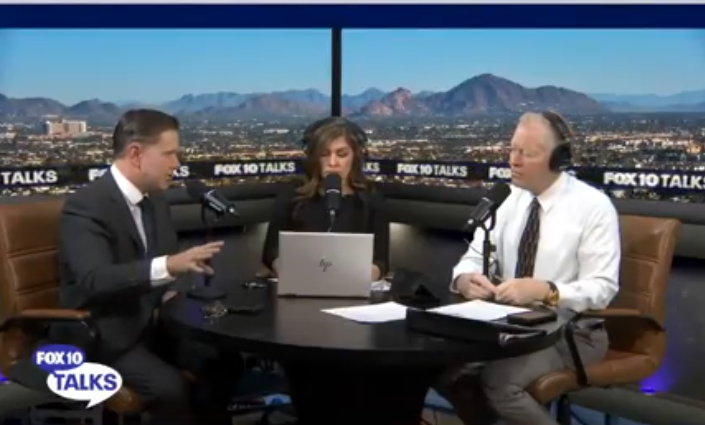
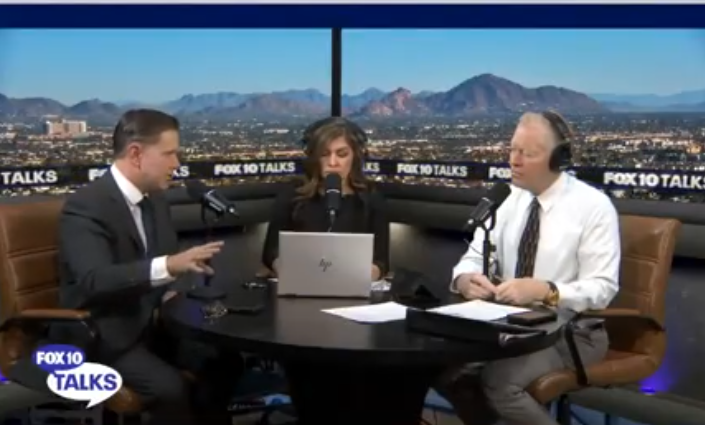
The debate over the First Amendment is one full of problems and loaded with tension. In a recent appearance on Phoenix Fox 10 Talks, defense attorney Josh Kolsrud examined what he characterized as a fascinating tug-of-war between two fundamental freedoms: freedom of speech and that of worship. By looking into the case of Don Lemon’s federal arrest, Kolsrud has thrown a spotlight on the tricky parts of balancing the rights of journalists with those of individuals exercising their religious beliefs.
The incident, which saw Don Lemon—a high-profile journalist—arrested during a protest at a place of worship, raises complicated issues regarding where the line should be drawn between press participation and the active involvement in disruptive behavior. In this opinion editorial, we will take a closer look at Kolsrud’s arguments, the legal debate it has ignited, and the many tangled issues surrounding the application of the First Amendment in such scenarios.
Press Freedom Versus Religious Liberty: The Heart of the Matter
At the core of these debates lies a confrontational clash between two fundamental rights. On one side stands the freedom of speech and the press—a protection that scholars and jurists consider essential for a democratic society. On the other emerges the freedom of religion, which guarantees that individuals can worship without interference. This case shows that when these rights appear to conflict, the resolution is not always clear. Kolsrud insists that what is at stake involves more than just a high-profile journalist being caught up in a protest; it is about the intent behind such actions and the real impact on protected religious practices.
The FACE Act (Faith-Based Community Protection Act) and the Ku Klux Klan Act are examples of federal laws that protect religious services from interference. These laws do not simply safeguard the act of attending or even entering a religious venue; they also go a long way in preventing any conduct that might be seen as obstructing worship. Kolsrud emphasizes that the legal turning point here is whether Don Lemon’s actions moved him from the role of an observer or reporter to that of a participant who actively disrupted a sacred setting.
Defining Journalistic Involvement: More Than Just a Title
One of the key points made by Kolsrud is that having the title of “journalist” does not offer an automatic shield from prosecution if one becomes too involved in the events being covered. Journalists, regardless of their prominence, are not immune to charges if evidence shows that they played an active role in orchestrating, facilitating, or even obstructing events during a protest.
This leads us to some very important questions:
- What exactly did Lemon do during the protest?
- Did he simply report what was happening, or did he cross the line by encouraging disruption?
- Were his actions aimed at facilitating protester involvement, or were they purely observational?
Until these questions are answered with clarity, the defense of the First Amendment remains wrapped in confusing bits and subtle parts that are often open to interpretation. Kolsrud’s analysis highlights that establishing intent and conduct is essential in determining whether journalistic activities are protected or if they have veered into active interference.
Journalism Under Pressure: Is Reporting a Safe Haven?
In a world where media personalities are increasingly entwined with activism, the question of whether declaring oneself a journalist can shield one from legal repercussions has become more complex. Kolsrud’s commentary suggests that while press protections are super important, they are not a free pass for those who play a more direct role in protest activities. There is a clear distinction between gathering material for a story and joining in a protest in a way that could be construed as obstructing lawful religious events.
This case forces us to consider whether the subtle details of a journalist’s participation might tip the scale. Here are some of the fine points that come into play:
- Intent: Was the journalist’s presence driven by a genuine commitment to report events, or was it a deliberate attempt to shape the protest?
- Conduct: Did the journalist follow a passive role, or was there active coordination with protest organizers?
- Impact: How significant was the effect of the journalist’s actions on the freedom of worship?
These questions reveal that the line between objective reporting and active participation is not always crystal clear. The case of Don Lemon serves as a reminder that freedom of the press must sometimes contend with the consequences of crossing over into activism.
The Broader Implications for Free Speech and Religious Freedom
Beyond just the specifics of the Lemon case, Kolsrud’s discussion touches upon a broader narrative that is increasingly prevalent in today’s legal landscape: the overlapping and sometimes conflicting realms of free speech and religious liberty. When a public figure is arrested in a setting that involves both these fundamental rights, the legal puzzle becomes even more nerve-racking.
Understanding the Legal Framework: FACE Act and Ku Klux Klan Act
Federal laws such as the FACE Act and the Ku Klux Klan Act are designed to provide robust protection for religious institutions and services. These laws prohibit any form of interference with religious practices, ensuring that the freedom to worship remains free from political or social disruption. Kolsrud points out that the key legal question is not merely about physical presence in a church but about whether any interference occurred that compromised the sanctity of the religious service.
The following table outlines some of the key aspects of these laws:
| Aspect | Description |
|---|---|
| Protected Activity | Religious worship and communal services |
| Prohibited Conduct | Any action interfering with the exercise of religious rights |
| Legal Implication | Interference can lead to federal charges if proven intentional |
This framework clearly shows that the law takes a very clear stance on protecting religious activities. The question, however, remains: where does one draw the line when the interruption is caused indirectly through journalistic involvement?
Public Perception and Government Messaging
Kolsrud also touches upon the broader implications of Lemon’s arrest, suggesting that the nature of the detention was meant to send a strong public message. The fact that the arrest took place in a highly publicized context, with no advance notice provided to his attorney, may be seen as an effort by federal authorities to signal their stance on enforcing these protections vigorously—even when it involves a well-known media figure.
This public display, as Kolsrud argues, raises several questions about government intent and the potential for chilling effects on both journalistic behavior and public protests. It prompts us to ask whether such measures work to safeguard religious practices or if they inadvertently suppress free speech by intimidating those who wish to report on civil disturbances.
In the sphere of policy and public perception, this case is both a cautionary tale and a call for clearer guidelines regarding the roles and responsibilities of those who witness and report protests. The delicate balance between ensuring free speech and protecting religious liberty is one that policymakers must continually revisit and redefine.
The Fine Points of Intent and Conduct in First Amendment Cases
As we explore the topic further, it becomes evident that much of the legal debate rests on determining the intent behind an individual’s actions. Kolsrud underlines that the mere label of “journalist” does not automatically grant immunity from legal scrutiny if a journalist becomes involved in protest activities that impinge on the right to worship.
Digging Into Intent: Passive Observation versus Active Participation
The distinction between passive observation and active participation is a critical one—a subtle part that can change the entire legal outcome. When a journalist is simply documenting events, their actions are generally protected under the First Amendment. However, if the same journalist is seen to be intervening in the proceedings, the legal interpretation may shift significantly.
Consider the following bullet points that highlight the contrasting roles:
- Passive Observer: Remains detached, capturing events without influencing the outcome.
- Active Participant: Engages with or directs the flow of events, potentially compromising the neutrality of the reporting.
Determining where Lemon falls between these categories is central to the case. Kolsrud’s analysis implies that if evidence suggests that Lemon’s role ventured past the mere collection of facts into the realm of facilitating protest activities, then his First Amendment defense could be significantly weakened.
Conduct Under Scrutiny: The Impact on Religious Services
In addition to intent, the actual conduct of the individual during the protest is heavily scrutinized. The key question here is: did the journalist’s actions lead to tangible interference with religious practices? If it can be shown that his involvement effectively blocked access to worship or disrupted religious ceremonies, the legal consequences could be severe.
This issue is a reminder of the small distinctions that can make or break a case—from subtle actions like discreetly coordinating with protest organizers to more overt behaviors that attract public attention. These are the little twists in the case that, when pieced together, reveal the overall picture of the incident.
The Broader Impact on Media and Legal Precedents
The ramifications of the Lemon case extend well beyond one incident or one journalist. It raises important questions about the current state of journalism, especially in an era where media figures are increasingly active in the contexts they cover. The case brings to light several nerve-racking, broader issues concerning the interplay of free speech, press freedom, and religious rights that merit close examination.
Protecting Journalism While Maintaining Order
There is a pressing need to strike a balance between allowing robust, unfettered journalism and ensuring that public order, especially in sensitive environments like places of worship, is maintained. Policy makers and law enforcement officials are tasked with the daunting picture of responding to evolving methods of protest and activism, all while respecting the constitutional rights of citizens.
Some of the key considerations include:
- Transparency: Law enforcement agencies must provide clarity on their actions during high-profile arrests to maintain public trust.
- Accountability: Both journalists and protest organizers must be held accountable for crossing legal boundaries.
- Guidelines: There is a need for clear legal guidelines that help delineate the difference between objective reporting and unwarranted involvement in protest activities.
These considerations reflect the broader debates that are ongoing in courts and in public discourse. When the protection granted to journalists begins to intersect with acts that might be considered as actively disrupting other constitutional rights, the legal process must weigh every fine shade in between.
Learning from History: Past Precedents and Their Influence
The Lemon case is not a novel scenario. History is replete with instances where the role of the press in protests has drawn legal scrutiny. From the civil rights movement to more recent political demonstrations, the boundaries have continually been tested. Kolsrud’s commentary encourages us to take a closer look at how past legal precedents shape our understanding of the present situation.
Legal precedents serve as essential guides in cases like this. They remind us that every case is unique, yet influenced by the broader legal landscape. The fine points of each case—from the hidden complexities of witness testimonies to subtle details about the sequence of events—contribute to an overall legal mosaic that policymakers and jurists must interpret with care.
Assessing the Impact on Public Discourse and Future Reporting
The repercussions of a publicized arrest like Don Lemon’s can be far-reaching, affecting not only legal protocols but also public discourse. It may cause a ripple effect among journalists who cover sensitive events and protests, as well as among the communities whose rights may potentially be impinged upon by overzealous legal intervention.
The Chilling Effect: When High-Profile Arrests Intimidate Others
One of the more troubling consequences of such high-profile arrests is the potential for a chilling effect on free speech. Even when the accused is a seasoned journalist, the sight of a public, nerve-wracking arrest in the midst of a protest can serve as a cautionary example to others. The fear of crossing unseen legal lines may make some reporters think twice about delving into areas that are already loaded with issues.
This effect is especially pronounced among media professionals who are aware that the fine line between objective reporting and active participation can sometimes be perilously thin. The potential negative impact on future reporting is a matter that has generated significant debate within journalistic circles, where the integrity of the news is held as a cornerstone of democratic society.
Future Legal Battles: Setting the Stage for New Courtroom Debates
Looking forward, the Lemon case is likely to become an essential reference point in future legal battles related to the First Amendment. How judges interpret the actions of a journalist in such circumstances will help determine if a new legal framework is needed—one that better defines the boundaries of journalistic involvement in public protests.
This evolving area of law brings with it nerve-racking twists and turns. Will future cases lean more heavily on historical precedents, or will new interpretations of the law provide clearer guidelines for distinguishing between protected and unprotected conduct? The answers to these questions will likely be shaped by the outcome of high-profile cases like Lemon’s, which serve as a catalyst for change in legal thought.
Implications for Journalistic Ethics and Professional Responsibility
Beyond the immediate legal stakes, the Lemon incident also raises important questions about journalistic ethics and the standards by which media professionals conduct themselves during protests. In an era when media figures often serve as both reporters and activists, a clearer understanding of these expectations is crucial.
The Dual Role of Reporting and Activism: Is It Sustainable?
Modern journalism increasingly finds itself at the intersection of reporting events and taking a stand on societal issues. While an activist stance can bring much-needed attention to important topics, it also complicates the role of the journalist. Kolsrud’s remarks remind us that engaging too deeply in activism can blur the lines between objective reporting and involvement in potentially disruptive actions.
This dual role is full of problematic fine shades that can compromise how events are reported and understood by the public. Reporters must remain vigilant in managing their way through these conflicting responsibilities. Media organizations, too, may need to re-evaluate their codes of conduct to ensure that the principles of the First Amendment are not undermined by an overlap between activism and journalism.
Key Ethical Considerations for Journalists in Protest Environments
Drawing from the Lemon case and other similar instances, several ethical takeaways emerge for journalists who cover protests and demonstrations:
- Maintaining Objectivity: Journalists should aim to provide factual accounts without inserting personal biases or actively influencing the events being reported.
- Clear Boundaries: There must be a clear distinction between observing and investing in the events, ensuring that neither religious freedoms nor public order is compromised.
- Transparency in Reporting: Explaining the actions taken during an event can help mitigate misunderstandings and preempt legal complications.
- Adherence to Professional Standards: Media professionals are encouraged to follow established ethical guidelines that delineate the appropriate boundaries of participation.
By taking the wheel and being aware of these considerations, journalists can better steer through the maze of legal and ethical responsibilities that come with covering sensitive issues, without undermining their own credibility or the public’s right to information.
Looking Ahead: The Future of First Amendment Protections
As we reflect on the Lemon case and Kolsrud’s commentary, it is clear that the interplay between press freedom and religious liberty is an ongoing debate, one that will continue to evolve in response to new challenges. Lawmakers, legal practitioners, and journalists alike must work together to ensure that the delicate balance between these rights is maintained.
Policy Recommendations for a Fairer Legal Landscape
In order to avoid further legal confusion and to protect the rights of all parties involved, several policy recommendations have been suggested by legal experts and media watchdogs:
- Development of Clear Guidelines: Legislators should work to create clear, detailed guidelines that help determine when a journalist’s actions are protected by the First Amendment and when they cross the line into prohibited behavior.
- Enhanced Training for Law Enforcement: Officers involved in handling protests and high-profile arrests could benefit from additional training on the subtle differences between objective reporting and active participation.
- Open Dialogue Between Media and Legal Authorities: Continuous engagement between journalists, legal experts, and policy makers can lead to a more nuanced understanding of both sides’ concerns.
- Regular Review of Precedents: Courts should periodically review past cases to ensure that the legal definitions of protected and unprotected conduct remain relevant in light of modern protest dynamics.
These recommendations, if implemented, would not only protect the rights enshrined in the First Amendment but also foster an environment in which both religious practices and journalistic endeavors can coexist peacefully.
A Future of Balanced Rights and Responsibilities
Ultimately, the Lemon case, as dissected by Josh Kolsrud, reminds us that the road to ensuring harmonious coexistence between journalistic freedom and religious liberty is full of tricky parts and complicated pieces. As society becomes increasingly polarized and the nature of public protests evolves, the legal system must remain flexible yet firm in its commitments to protect these fundamental rights.
The ultimate challenge lies in figuring a path that honors both the spirit and the letter of the First Amendment. Future cases will likely continue to test these boundaries, and it will be both fascinating and essential to see how courts balance the small distinctions that can have far-reaching consequences on public policy and civil rights.
Conclusion: Finding Clarity in a Tense Legal Landscape
The incident involving Don Lemon and the subsequent legal debate as outlined by Josh Kolsrud brings to light many of the hidden complexities faced by both the press and religious communities today. It underscores the importance of carefully considering intent and conduct when determining whether a journalist’s actions are simply part of a professional duty or a line crossed into disruptive behavior.
As the legal system dig into cases that sit at this controversial intersection, strong recommendations and better guidelines will be key to ensuring that both press freedom and religious liberty are preserved. The challenge remains to make your way through the nerve-racking twists and turns, ensuring that fundamental rights are not arbitrarily curtailed by aggressive legal actions or misinterpretations of the law.
Ultimately, the outcome of cases such as these will play a super important role in shaping the future of media, legal practices, and public trust. By closely watching how these issues are handled and by engaging in constructive debate, we can hope to forge a clearer path forward—one that respects the critical foundations on which our democracy is built.
As the legal community and society at large continue to sort out these tense legal matters, one thing is certain: the need for clarity in defining the roles and responsibilities of individuals exercising their constitutional rights has never been more essential. Whether you are a journalist, a legal professional, or a member of the public, these issues affect the very core of how freedom is understood and practiced in our world today.
The dialogue must continue, with ongoing conversations among policymakers, law practitioners, and media entities working together to balance the scales between freedom of speech and the unhindered practice of religion. In doing so, we can help ensure that the fine balance between these constitutional rights is maintained for future generations to come.
Read more about this topic at https://kolsrudlawoffices.com/don-lemon-arrest/
Related articles you might like
A First Amendment Faceoff in an Atlanta suburb – InvestigateTV+
Georgetown Law professors face off in First Amendment …