NBA Federal Sports Betting Scandal: A Legal Opinion
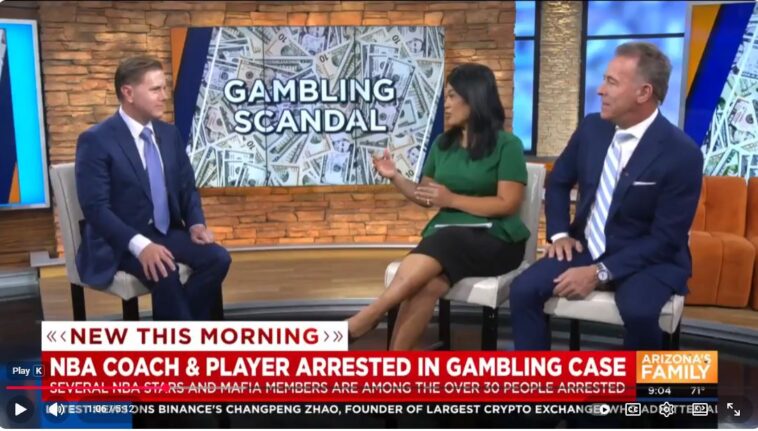
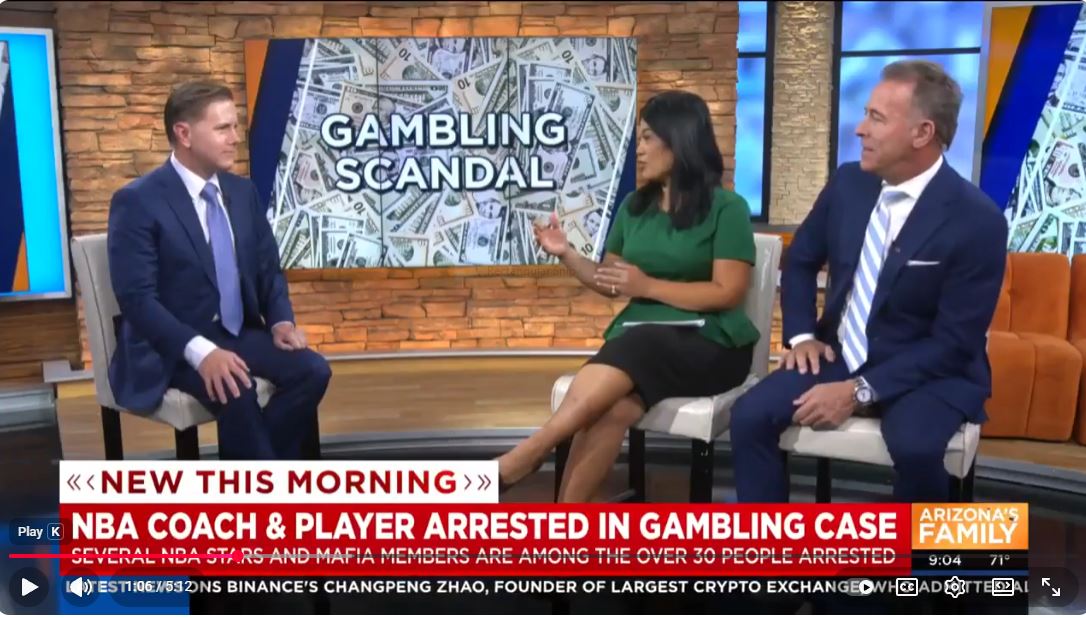
The unfolding saga of high-profile federal indictments involving current and former NBA players, coaches, and alleged organized crime figures has captured not only the media’s attention but also the intense scrutiny of legal experts. This sprawling case, which touches on wire fraud, money laundering, gambling, and conspiracy, raises many tricky parts regarding the intersection of sports integrity and the legal system. In this opinion editorial, we take a closer look at the federal sports betting scandal, examining the key legal issues, the implications for professional athletes and teams, and what the future might hold in a world where gambling and organized crime are intricately linked with sports.
As legal observers, we are compelled to analyze both the evidence assembled by federal prosecutors and the potential outcomes for the accused. The charges are not mere misdemeanors—they are laden with serious penalties, and even if extreme sentences are seldom imposed, the possibility of up to 20 years behind bars is an intimidating prospect for those involved. Our discussion below is centered on the critical and sometimes nerve-racking legal steps that will likely define the trajectory of this case, as well as the long-lasting implications for the league’s reputation and for sports betting practices across America.
Federal Charges in Sports Betting Scandals: The Weight of Wire Fraud and Conspiracy
The first tricky part to consider is the nature of the charges themselves. Federal indictments in the sports betting arena are not just about minor ethical breaches; they involve serious crimes such as wire fraud, money laundering, and conspiracy. These charges carry severe penalties and reflect the government’s commitment to sending a strong message against any form of cheating or corruption in sports.
Legal Analysis of High-Stakes Fraud in the NBA
Legal analysts have been quick to point out that the combination of organized crime influences and high-profile athletes creates a situation that is both intimidating and complicated. With over 30 defendants across multiple states, it is clear that federal investigators have gathered a massive amount of digital evidence—from wiretaps and text messages to information from key informants. Such evidence, captured over a prolonged period, makes the case particularly loaded with problems and indicates that the federal authorities are prepared to prosecute individuals aggressively.
For example, one common argument is that “if the government goes after someone, they likely have a strong case.” This is not only a reassuring point for the federal prosecutors but also serves as a warning to those contemplating similar risky behavior. The involvement of the Eastern District of New York, noted for its no-nonsense approach in organized crime cases, further underscores the seriousness of these indictments.
- Wire Fraud: The communication and transfer of funds through digital means are under intense scrutiny.
- Money Laundering: Hiding the origins of illegally obtained money is a central pillar of the case.
- Conspiracy: Multiple parties working together compound the legal responsibility for the alleged crimes.
Each of these charges is interwoven with legal and evidentiary challenges that demand careful analysis. Instead of being simple off the shelf cases, these issues present many tangled issues that lawyers, investigators, and even the public find both mystifying and vexing.
Gambling Gone Legal: The Blessing and the Burden
The legal sports betting landscape has experienced significant changes with the advent of legalized gambling at the state level. While many celebrate the regulations that now allow for legal betting, the environment that encourages such betting ventures also opens up a realm of both legal and illegal pursuits. Here, the line between what is acceptable and what is criminal can often seem to blur, raising several confusing bits for both bettors and legal practitioners.
Understanding the Temptation in a World of Legalized Betting
With the widespread access to casinos and digital betting platforms, even the wealthiest individuals may feel inclined to “take a little extra” by engaging in activities that jeopardize not only their careers but also the integrity of sports as a whole. What might at first glance appear as a victimless endeavor—in which fines or additional earnings are just part of a high-stakes game—can quickly evolve into a nerve-racking legal quagmire when the government steps in. The risk is not simply about personal gain; it’s about undermining the core values of fairness and competition that define professional sports.
A closer look at this situation reveals several points that bettors and players alike must consider:
- Legal Vulnerabilities: Even minor infractions within legal betting regulations can escalate into criminal charges.
- Reputation Damage: Professional athletes risk tarnishing their personal and team reputations if implicated in gambling scandals.
- Regulatory Oversight: Increased legal scrutiny implies that any involvement in questionable betting activities is likely to be met with fierce governmental response.
In many ways, engaging in legally gray sports betting mirrors taking a step into an arena full of risky twists and turns where one misstep could lead to severe legal repercussions.
Preserving the Integrity of the NBA: The Stakes Beyond the Court
The NBA is synonymous with competition, team spirit, and above all, the expectation of a fair contest. When off-court activities threaten to compromise this fundamental trust, the ramifications could be enormous—not only for the league’s image but for the market that thrives on sports betting. The introduction of betting scandals into the mix poses a series of challenging issues that are super important to address.
Impact on Fan Trust and Sports Integrity
Many devoted fans are drawn to professional sports because they believe in the authenticity of the game. The integrity of the NBA is a cornerstone of its global popularity. Any indication that the outcomes might be manipulated or influenced by external betting and organized crime pressures can send shockwaves through both the fan base and the broader sports community. In a case where allegations span multiple players and reputable figures, the tension surrounding the league’s integrity only grows more pronounced.
Here are some key concerns regarding the impact on sports integrity:
- Fan Distrust: When the public starts to question the authenticity of game outcomes, the very appeal of the sport is at risk.
- Market Instability: Sports betting relies on the notion that results are fair and unpredictable. Once that is in doubt, the entire ecosystem may begin to falter.
- League Reputation: The NBA is built on the promise of competitive fairness. Any deviation from this could have enduring financial and reputational consequences.
Ultimately, the league’s response to the scandal will need to be swift and uncompromising to restore confidence among fans, athletes, and business partners alike.
Examining the Evidence: How Federal Prosecutors Are Building Their Case
Beyond the headlines and public speculation lies a detailed legal process that involves rigorous investigation and the meticulous gathering of evidence. Federal prosecutors are known to leave no stone unturned, and in this case, every little detail—from wiretapped calls to digital footprints—is under close examination. Getting into these legal pieces presents both a technical challenge and a broad legal strategy that aims to dismantle any defense the accused might offer.
Unpacking the Evidence: Wiretaps, Texts, and Informants
According to experts, the investigative phase of this case has involved extensive digital surveillance. With prolonged investigations come troves of data—wiretaps capturing every whispered conversation, text messages acting as documented admissions, and informants providing critical insider details. This robust arsenal of evidence positions the prosecution to potentially build a near watertight case against those involved.
Here are some of the core types of evidence the government is likely to leverage:
| Type of Evidence | Description |
|---|---|
| Wiretaps | Recordings of conversations that connect the dots between suspects and alleged criminal plans. |
| Digital Communications | Text messages and emails that provide time-stamped evidence of suspicious activity. |
| Informant Testimony | Inside accounts from individuals involved who can shed light on the operational methods used. |
| Financial Records | Documentation of suspicious transactions that suggest money laundering or illicit fund transfers. |
This evidence not only paints a picture of widespread misconduct but also highlights the ability of federal authorities to gather and maintain control over a case of such magnitude. The “little twists” in the digital trail underscore the hidden complexities behind every gambling transaction and every suspicious play on the court.
Defense Strategies: Assessing Roles and Weighing Plea Bargains
From the defense standpoint, the legal team’s primary task is to clearly define the role of each accused individually. Legal experts speculate that the government is likely to focus its resources on those who orchestrated the alleged schemes, while individuals with minimal involvement may have more room to negotiate lesser charges or plea bargains. This process of sorting out responsibilities is integral to determining the direction of each defense strategy.
How Defense Attorneys Are Approaching the Case
For defense lawyers, every detail becomes a critical piece of the puzzle in crafting an argument that minimizes or entirely deflects responsibility. One of the most challenging—and sometimes overwhelming—parts of this task is deciphering whether their client was a mere participant caught in a larger scheme or an active organizer whose finger was firmly on the pulse of criminal operations.
Key considerations include:
- Role Assessment: Determining whether the accused had a minor or central role in the alleged conspiracy.
- Plea Bargain Consideration: Evaluating if cooperation with federal investigators might lead to reduced charges or sentencing.
- Legal Precedents: Studying similar cases in order to forecast potential legal outcomes and craft a viable defense strategy.
Each attorney must figure a path through the maze of evidence and legal intricacies, balancing the interests of their client against the overwhelming force of federal prosecution. In these cases, even a slight miscalculation or misunderstanding of the fine details can mean the difference between freedom and decades behind bars.
Collaboration Versus Confrontation: Strategic Legal Decisions
The legal world is abuzz with discussions on whether cooperation with the authorities is the best way forward for individuals with minimal involvement. Some argued that turning state’s evidence in exchange for reduced sentencing might be a sensible route for those who find themselves on the periphery of a larger criminal enterprise. For others, fighting the charges vigorously remains the key approach.
Points frequently debated include:
- Defensive Collaboration: Working with prosecutors could lead to an expedited case resolution.
- Full-Scale Litigation: Opting to confront the charges in court might preserve a client’s personal standing, even if the process is nerve-racking and drawn out.
- The Psychological Toll: Each strategy carries its own set of challenges that are both stressful and potentially career-altering.
Defense lawyers are thus tasked with the complex responsibility of balancing client loyalty with realistic assessments of the prosecutorial hand. It is a true test of legal acumen to manage such high-profile cases where every fine detail and small distinction in evidence may tip the scales of justice.
Organized Crime and the Influence of Gamblers in Professional Sports
One of the more layered and nuanced aspects of the federal sports betting scandal relates to the alleged involvement of organized crime groups. The past has shown that criminal enterprises have historically sought to infiltrate industries where large amounts of money change hands—and professional sports, with its global following, is no exception.
Unmasking the Connections: Organized Crime’s Role in Betting Schemes
Investigators claim that certain elements within the organized crime sphere have not only sought to profit from legitimate sports betting but may have also encouraged or even orchestrated illicit betting activities. The alleged involvement of infamous crime families adds a whole new set of tricky parts to the case, as these groups are known for their clandestine methods and their ability to influence large-scale operations through extortion, blackmail, and other coercive tactics.
Some of the key issues to consider include:
- Interconnected Networks: The shadowy connections between organized crime figures and individuals within the professional sports realm.
- Operational Secrecy: How criminal methods, hidden beneath layers of legitimate business operations, complicate standard legal practices.
- Long-Term Implications: The potential for such criminal activities to impact not just the sport in question but the broader culture of sports betting across the country.
This convergence of sports and crime represents a significant dilemma for legal authorities. When traditional regulatory bodies strive to impose order on an environment that is already legally and morally ambiguous, the result is a high-stakes tug-of-war that is as nerve-racking as it is unprecedented.
Moreover, the potential cross-border dimensions of this case, with involvement from figures in New York and possibly beyond, multiply the layers of legal responsibility and the need for clear evidence. It’s a reminder that while sports offer moments of thrilling athleticism, behind the scenes, there can be a whole world of complicated pieces that are anything but straightforward.
The Future of Professional Sports in a Gambling-Driven Era
As we project forward, the unfolding sports betting scandal brings into sharp focus the myriad challenges facing professional sports leagues in an era where legal sports betting is on the rise. With legalized gambling now part of the landscape, sports organizations like the NBA will inevitably have to address these issues head-on if they wish to maintain the trust of fans, sponsors, and the public at large.
Reforming League Policies and Enhancing Legal Oversight
Professional sports leagues, and the NBA in particular, are expected to undertake significant reforms in response to scandals that may jeopardize their long-held reputations for fair play. This might include:
- Establishing strict internal betting policies among players and coaching staff.
- Implementing regular monitoring and review processes to catch any irregularities early on.
- Improving cooperation with federal agencies to ensure that any suspected misconduct is handled promptly and transparently.
Such measures, although potentially off-putting to some fans who cherish the spontaneity of the game, are seen as super important in preserving the integrity and longevity of the sport. The challenge for the NBA will be to balance these necessary controls with the excitement and unpredictability that make professional sports so captivating.
Maintaining Fair Competition Amid Legal Reforms
The balancing act is delicate. On one hand, the league must crack down on any behavior that could compromise the fairness of competition. On the other hand, overly stringent measures might stifle the free-wheeling nature of sports betting that many fans and investors enjoy. Here, the need for careful and thoughtful policy-making becomes apparent, as the league aims to find its way through competing interests while managing its way through a legal landscape that is loaded with issues and forensic evidence.
Legislators and sports governing bodies may consider the following approaches:
- Implementing independent oversight committees to review betting-related cases.
- Encouraging open dialogue between sports organizations and law enforcement agencies.
- Developing educational programs for players and staff about the legal limits of sports betting.
These strategies reflect the necessity for the NBA to protect not only its competitive environment but the larger ecosystem of American sports, where betting is both a commercial opportunity and a potential legal minefield.
Looking Ahead: Legal Repercussions and Cultural Shifts
The NBA sports betting scandal is more than just another legal case—it is a cultural earthquake that forces both the sports world and the general public to re-evaluate where lines are drawn between legal entertainment and criminal enterprise. With strong federal involvement and a sophisticated network of evidence, the coming months and years are set to be a period of significant legal and cultural transformation.
Long-Term Consequences for Professional Athletes
For the accused, the immediate threat of long-term imprisonment or a tarnished legacy looms large. However, this scandal may also lead to broader shifts in how professional athletes interact with the world of gambling. Many will likely shy away from activities that appear even remotely suspicious, leading to a culture of heightened caution both on and off the court.
Some potential long-term repercussions include:
- Increased Legal Scrutiny: Heightened monitoring of professional athletes by both leagues and federal prosecutors.
- Shifts in Public Perception: Greater public awareness about the dangers of mixing sports with illegal betting schemes.
- Educational Initiatives: More robust training and legal orientation for upcoming athletes regarding ethical and legal standards.
This cultural shift, while perhaps inevitable, raises questions about fairness and the balance between personal freedom and public responsibility. As legal experts and cultural commentators continue to poke around the evolving landscape, it will be critical to watch how these dynamics influence not only high-profile cases but also everyday conduct in the realm of professional sports.
The Ripple Effect on Sports Betting Legislation and Enforcement
On the legislative side, the case sets a precedent for how similar incidents might be handled in the future. Lawmakers now face the off-putting task of updating sports betting regulations that intersect with federal criminal laws, ensuring that the legal framework remains robust enough to deter misconduct while still accommodating the growth of legal gambling markets.
Key areas for potential legislative reform include:
- Clarifying the boundaries between legal betting and illicit gambling practices.
- Increasing penalties for repeat offenders involved in sports-related crimes.
- Enhancing coordination mechanisms between state and federal law enforcement agencies.
Such reforms will certainly be a major topic of debate in the coming years, as the legal landscape continues to evolve in response to new forms of digital evidence and multifaceted criminal enterprises.
Conclusion: A Turning Point for Sports Integrity and Legal Accountability
In wrapping up our examination of the NBA federal sports betting scandal, it becomes clear that this case is far more than a headline-grabbing moment. Its implications run deep, stretching across the realms of sports, law, and society. The prosecution’s meticulous mounting of evidence, the tough choices facing defense attorneys, and the larger cultural response to the normalization of betting all point to a future where integrity and fair play are put to the test like never before.
For fans, athletes, and legal professionals alike, this case serves as a stark reminder of the thin line between competitive passion and illegal misconduct. The intense federal focus on wire fraud, money laundering, and conspiracy in the context of professional sports betting is a signal that the era of unregulated or lightly monitored betting practices may soon be consigned to history.
As we witness this nerve-racking legal battle unfold, one thing is abundantly clear: the need to steer through these legal and ethical twists and turns is more super important than ever before. Whether you are a sports enthusiast, a legal practitioner, or merely an observer of cultural shifts, understanding the fine points of this case is key to appreciating the broader changes that are reshaping the world of professional sports.
Criminal defense law, as it relates to high-profile cases like these, must constantly adapt to the challenges posed by digital evidence and multifaceted criminal networks. The federal focus on imposing strong penalties—even the possibility of decades behind bars—underscores the seriousness of the government’s approach. While the full legal outcomes remain to be seen, the increasing cooperation between state and federal entities ensures that such cases will be handled with an exacting attention to every small detail.
In conclusion, this federal sports betting scandal invites us to re-evaluate our collective understanding of sports, law, and ethics in the modern age. It is a turning point, one that highlights both the opportunities and the hidden complexities of a world where legal and illegal activities increasingly overlap. The path ahead is full of challenges and significant legal considerations, but ultimately, it is a necessary journey to preserve the sanctity of our national sports traditions.
As this case continues to develop, legal experts, athletes, and regulators must work together to make a path through this tangled maze, ensuring that sports betting remains a legal, fair, and transparent avenue for fans and competitors alike. Only by addressing every tricky part and every confusing bit of this scandal can we hope to safeguard the long-term integrity of professional sports and reaffirm the fundamental values of fairness and competition.
For those seeking confidentiality and expert legal counsel in related matters, consulting with seasoned defense attorneys—who combine deep knowledge of state and federal law with a commitment to client advocacy—can be the key step toward managing these nerve-racking legal challenges. The lessons learned from this scandal will undoubtedly influence future legal strategies and regulatory frameworks, marking a major shift in how similar cases are prosecuted and defended in the future.
We will continue to watch this case closely, as it not only redefines the interaction between the worlds of high-stakes sports betting and organized crime but also sets a legal precedent for the accountability expected from all those involved in the sporting world.
Ultimately, whether viewed through the lens of legal procedure, sports integrity, or cultural impact, the NBA federal sports betting scandal stands as a stark example of the delicate balance that must be maintained in any society that prizes both freedom and fairness. It reminds us that in America, where the allure of quick money and instant fame is ever-present, every action carries a weight of responsibility. And as the legal machinery grinds forward, society must decide how best to honor the dual commitments to justice and fairness that have long underpinned our shared sporting tradition.
Read more about this topic at https://kolsrudlawoffices.com/nba-gambling-scandal/
Related articles you might like
Congress seeks MLB answers on betting
College, pro sports face betting crisis in wake of Rutgers …