Examining the Federal Grand Jury Investigation and Its Political Implications
The recent announcement of a federal grand jury being empaneled in Fort Pierce, Florida, has sparked considerable discussion in legal and political circles alike. Reports indicate that the grand jury, set to begin in January, is expected to look into what some allege is a long-running conspiracy aimed at undermining former President Donald Trump and his allies. This development comes as part of an ongoing debate over whether politically motivated legal actions, sometimes described as “lawfare,” are being used to target Trump. In this opinion editorial, we take a closer look at the perspectives surrounding this investigation and offer an analytical view of its potential legal and political consequences.
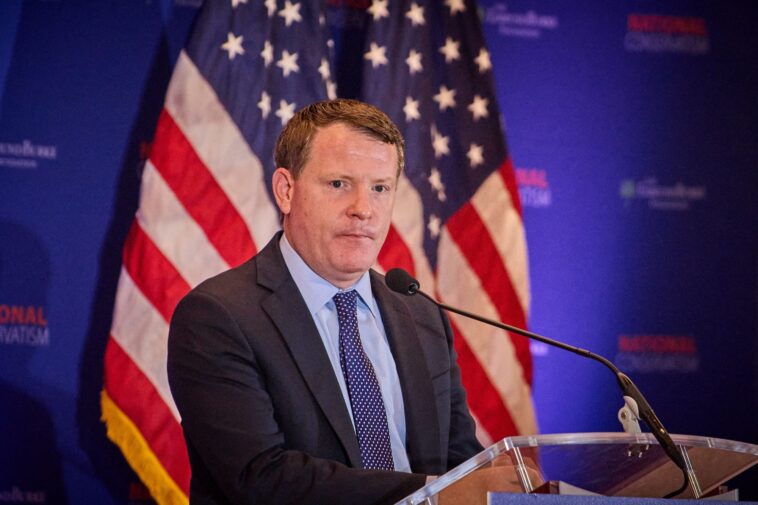
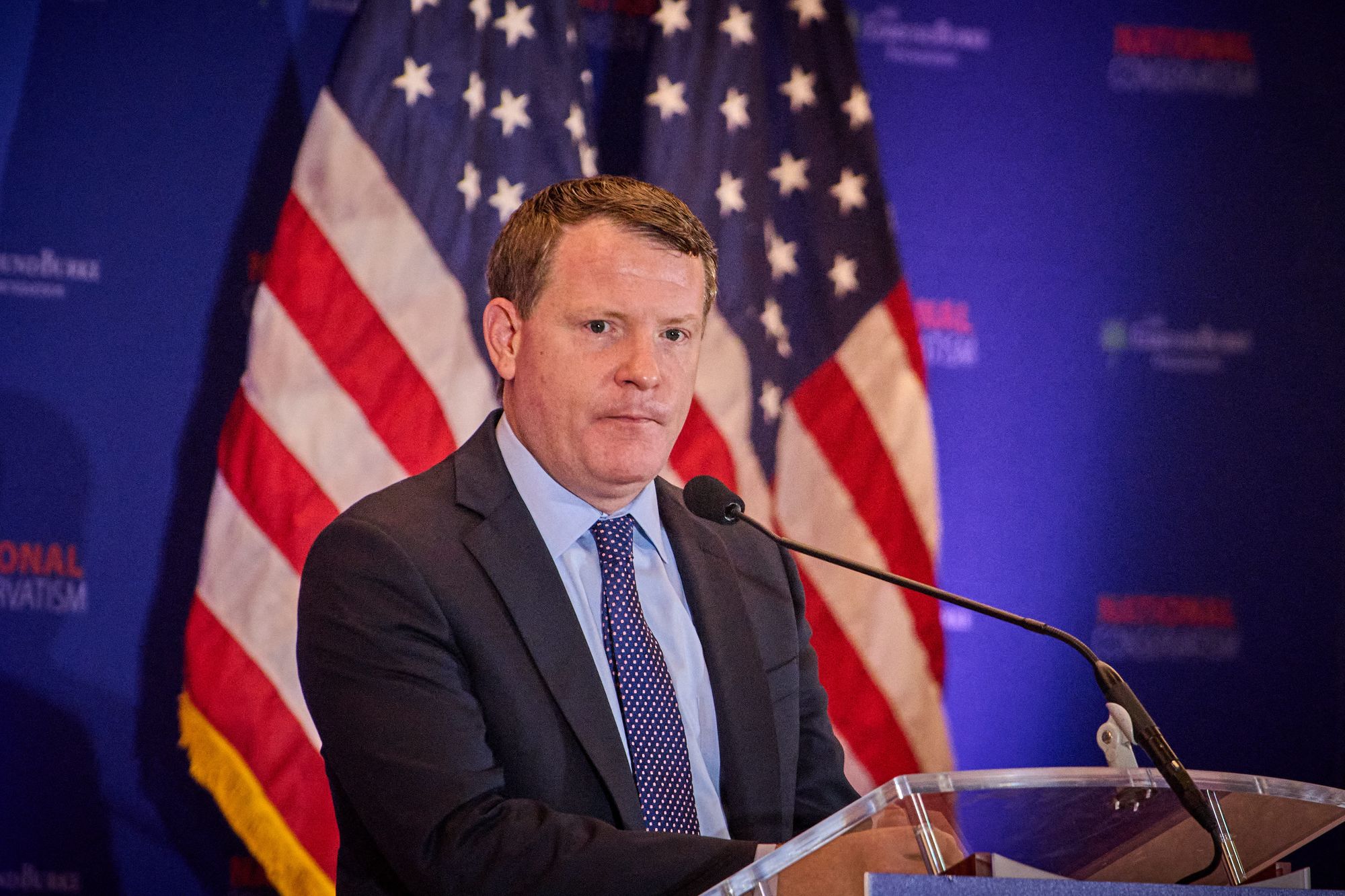
At the heart of the matter is an allegation made by conservative attorney Mike Davis, a close friend of Pam Bondi and an adviser to top Trump administration officials. Davis claims that the grand jury is part of a coordinated effort by political adversaries, particularly Democrats, to foil Trump’s political prospects through a series of legal attacks that stretch back to the investigation of Russian interference in the 2016 election and the criminal cases that followed.
Background: A Timeline of Political Accusations and Legal Battles
The backdrop to this unfolding story is extensive and involves a number of high-profile legal and political events over the past decade. This timeline includes:
- Investigations into Russian interference during the 2016 presidential election.
- Criminal cases and subsequent legal challenges associated with President Trump’s administration.
- Allegations of “vindictive prosecution” in cases like that of New York Attorney General Letitia James, who has pleaded not guilty in a federal bank fraud case.
- Political claims that justice is being meted out selectively, often described as part of a “conspiracy” against Trump and his supporters.
This series of events has contributed to a highly charged atmosphere, where legal decisions are interpreted by many not just as matters of law, but as reflections of broader political dynamics. While legal experts caution against oversimplifying these events as purely political maneuvers, the language used by figures like Davis underscores deep-seated partisan conflicts over the use of federal legal mechanisms.
Dissecting the Claims: Investigating the Alleged Conspiracy Against Trump
Mike Davis has been vocal about what he sees as a politically charged attack against Trump. In interviews with conservative podcasters, he has claimed that the grand jury in Florida is intended to explore whether top Democratic figures have conspired over the past decade to impede Trump’s success. According to Davis, this alleged conspiracy dates back to the investigation of the 2016 election interference and includes events such as the Jan. 6 insurrection and subsequent legal actions against Trump.
In his discussion, Davis referred to actions by various government officials—including former Attorney General Merrick Garland, Deputy Attorney General Lisa Monaco, FBI Director Chris Wray, and Special Counsel Jack Smith—as potential subject matter for the investigation. He contends that their actions have created a pattern of “lawfare,” a term used to describe the strategic use of legal systems to achieve political ends.
Despite not holding any official government position himself, Davis’s assertions have resonated with segments of the conservative base, who view these legal proceedings as being riddled with political bias. By arguing that a conspiracy has been in place to thwart Trump’s political career, Davis injects a narrative that frames the legal process not as a standard exercise in justice, but as a politically motivated maneuver.
Legal Framework and Historical Precedents in Politically Charged Investigations
One of the key aspects of this story is the legal framework within which these events are unfolding. The grand jury, a well-established component of the federal legal system, is designed to review evidence and determine whether there is enough basis to bring charges. In theory, the process is supposed to be apolitical, but critics argue that it can sometimes be influenced by external political pressures.
Central to the legal argument highlighted by Davis is federal statute 18 U.S.C. § 24. Traditionally, this law was created during the Reconstruction period as a means to protect the civil rights of Black Americans. Over time, however, its use has expanded to cover a broader range of election-related offenses and issues stemming from police misconduct. Davis claims that actions taken by certain government officials—actions that include various high-profile investigations—may run afoul of this statute.
A closer look at the statute reveals several important points:
| Aspect | Key Point |
|---|---|
| Historical Purpose | Originally designed to safeguard the civil rights of African Americans post-Civil War. |
| Modern Interpretation | Applied to various election-related and law enforcement misconduct situations. |
| Relevance | Used by Davis to argue that actions by officials may have interfered with federally protected rights. |
This table highlights the key elements of the statute and illustrates how historical legal tools are repurposed to address modern political controversies. It also underscores the challenges inherent in applying laws with tangled histories to current political disputes.
Political Rhetoric and the Role of Law in Shaping Public Perception
The language used by figures such as Mike Davis and President Trump reflects a broader trend in American politics, where legal terms become intertwined with political rhetoric. Trump, for instance, has called for the prosecution of those he alleges engaged in “lawfare,” using social media to emphasize his belief that election results were manipulated by what he terms “Radical Left Lunatics.”
Such rhetoric often serves to magnify the underlying tension and instill skepticism about the neutrality of legal institutions. It creates an environment where every legal decision is scrutinized not just for its legal merit, but for its political implications. For many supporters of Trump, this reinforces the idea that the justice system is being weaponized for political gain.
The fusion of legal and political discourses can be especially intimidating for the public. When legal proceedings are widely perceived as being driven by political motivations, it can be challenging to distinguish between legitimate legal inquiry and politically armed prosecutions. This mixture of legal accountability with partisan conflict creates a scenario where the public finds its way through not only documented facts but also through numerous little twists and confusing bits that muddy the overall picture.
Evaluating the Evidence: How a Grand Jury Operates in a Politically Charged Atmosphere
One of the most critical aspects in understanding these issues is how a grand jury functions. A grand jury’s primary role is to assess whether there is sufficient evidence to justify criminal charges, rather than to determine guilt or innocence. Yet, when a grand jury is set up in the context of a politically charged investigation, questions naturally arise regarding the influence of political bias.
Legal experts stress that once a grand jury is empaneled, the process itself adheres to stringent standards of evidence and procedure. However, the mere selection of applications for investigation can be interpreted as rooted in political motivations, particularly when the target is a divisive political figure. Davis’s claim that his intervention was instrumental for the creation of this grand jury discussion, especially regarding a conspiracy against Trump, further complicates public understanding.
The grand jury’s scope includes investigating claims that have far-reaching implications:
- Examining allegations of coordinated efforts to undermine a political figure.
- Scrutinizing whether federal laws, such as 18 U.S.C. § 24, have been violated in the process.
- Reviewing high-profile investigations that range from Russian interference to the Jan. 6 insurrection, and actions taken against Trump.
Each of these components carries its own set of tricky parts and tangled issues. For example, evidence related to election interference can be full of problems and tense, while allegations of interfering with federally protected rights involve subtle details that require a deep understanding of both historical and current applications of the law.
Understanding Political Bias: Is This a Case of Lawfare?
One recurring theme in the debates surrounding this investigation is the concept of lawfare: the use of legal systems to achieve political ends. Critics on both sides of the political spectrum debate whether the legal actions taken against Trump and his allies are genuine efforts to uphold the law or are instead propaganda tools aimed at discrediting political opponents.
Several key observations can help us unpack this debate:
- Source of the Claims: Claims of lawfare in this context come primarily from individuals with close connections to Trump’s political circle, such as Mike Davis, whose ties to prominent conservative figures lend his assertions significant weight among supporters.
- Historical Precedent: The idea that legal processes can be used as tools of political retribution is not new. History provides examples where grand juries and other legal bodies have been perceived to target specific political figures.
- Legal Safeguards: The federal legal system has mechanisms in place intended to shield the process from overt political interference, though the effectiveness of these safeguards is frequently a subject of debate.
Critics argue that the language used by some of Trump’s allies, as well as some President Trump statements calling for prosecutions of those who allegedly rigged elections, reflects a clear politicized approach. The detailed calls for questioning high-level government officials in the grand jury proceeding illustrate an attempt to frame these legal inquiries within a partisan narrative.
The Role of the Media in Shaping Legal Narratives
The media plays a critical function in interpreting and disseminating information about politically charged investigations. News outlets, including popular platforms like ABC News, have reported on the grand jury development and the ensuing statements from Trump allies. The coverage has varied widely, from framing the investigation as a legitimate legal inquiry to depicting it as a part of a broader political vendetta.
Neutral journalism requires that reporters provide perspectives from multiple sides of the debate. In this case, while conservative sources emphasize the idea of an orchestrated conspiracy against Trump, others stress the importance of maintaining the independence of the judicial process in evaluating evidence based solely on its merits.
The media’s challenge is to navigate the complicated judicial procedures and the political rhetoric that accompanies high-profile cases. This means striking a delicate balance between reporting on the facts and avoiding the inadvertent promotion of narratives that could be seen as either overly partisan or dismissively legalistic.
Implications of the Investigation: Legal and Political Ramifications
If the grand jury eventually brings charges, the legal consequences could be significant. But beyond the immediate legal implications, there is a broader political fallout that must be considered. Some of the potential ramifications include:
- Increased Partisan Divides: If legal actions are viewed as politically motivated, it could deepen existing divisions between Republicans and Democrats, further polarizing the electorate.
- Public Confidence in Legal Institutions: Allegations of bias in high-profile cases may lead to skepticism about America’s legal system, making it harder for the public to have confidence in the impartiality of legal proceedings.
- Future Legal Precedents: How the grand jury handles the investigation could set vital legal precedents for future cases that involve politically charged issues. The interpretations of laws like 18 U.S.C. § 24 may evolve as a result of these investigations, influencing how legally protected rights and political actions are balanced.
A table summarizing these potential effects is presented below:
| Potential Ramification | Description |
|---|---|
| Partisan Divides | Legal actions perceived as politically motivated can widen the ideological gap between parties. |
| Public Trust | Skepticism may grow regarding the impartiality of the federal legal system if bias is suspected. |
| Precedent Setting | The outcome of the investigation could influence how similar legal issues are addressed in the future. |
Each of these outcomes presents its own set of challenges and complicated pieces that legislators, the judiciary, and the public will need to address thoughtfully in the months ahead.
The Intersection of Law and Politics: A Closer Look at Partisan Legal Strategies
In analyzing this case, it is important to recognize that both legal and political strategies are at play. On one side, proponents of this investigation argue that it is essential to hold individuals accountable for what they deem to be unlawful actions aimed at subverting electoral integrity. On the other side, critics suggest that the entire process is a guise for pursuing a political agenda under the cloak of legal procedure.
This intersection brings forward several small distinctions:
- Political Strategy vs. Legal Procedure: While legal procedures must adhere strictly to established processes, political strategies often rely on framing the issues in ways that evoke strong emotional responses. This creates a conflict when legal actions are used as political tools.
- Public Perception: The public’s ability to differentiate between genuine legal proceedings and politically charged narratives is critical. The presence of both in the same space can lead to a muddled understanding that fuels mistrust on all sides.
- Institutional Integrity: The merit of the investigation will, to a large extent, depend on how well federal institutions can insulate their processes from external political pressures. This is particularly important given the historical legacy of politically motivated legal actions in American history.
For many legal observers, the notion that a grand jury might have been empaneled due to political pressure invites a closer look at the checks and balances within the system. Although the process itself is designed to be impartial, its management in a politically sensitive environment is undoubtedly nerve-racking and full of problems. It remains a critical test of the legal system’s ability to take on cases that are as loaded with issues as this one.
Impact on Future Political Legal Battles
The unfolding situation in Fort Pierce is not an isolated event. It is part of a broader narrative about the future of legal accountability in politically charged environments. As investigations into matters involving former presidents and high-ranking officials continue to escalate, they may well set the stage for future legal confrontations that have the potential to redefine the relationship between law and politics in America.
Looking ahead, several factors will be critical in shaping these future battles:
- Judicial Independence: Ensuring that legal proceedings remain independent is a must-have factor for maintaining the integrity of the justice system.
- Transparent Legal Processes: Clear communication regarding the steps taken and evidence reviewed is essential for demystifying complex legal actions.
- Civic Engagement and Public Discourse: An informed public that can distinguish between political rhetoric and legal fact will be better equipped to evaluate ongoing controversies.
These factors, while seemingly straightforward, involve numerous subtle parts and twists and turns that legal professionals and politicians must consider carefully. Any misstep or misinterpretation could not only have legal consequences but also affect public trust in government institutions at large.
Public Reaction and the Demand for Accountability
In parallel with the legal proceedings, there has been a visible public reaction. Many supporters of Trump see the grand jury and the broader legal challenges as a vindication of their long-held beliefs that the current legal system is being weaponized for partisan ends. Conversely, opponents argue that these claims are nothing more than politically charged rhetoric designed to distract from actual legal wrongdoing.
The public’s response can be broadly categorized as follows:
- Support for Transparency: Calls for greater openness in legal processes are strong on both sides, with citizens demanding clarity on the evidence and the rationale behind legal decisions.
- Skepticism of Partisan Narratives: Many are wary of any investigation that appears to target a political figure, regardless of the underlying facts, due to concerns about selective justice.
- Anxiety Over Future Implications: Given the history of politically charged legal actions in the United States, there is significant worry about how these proceedings might influence future elections and political discourse.
In many ways, this public reaction is a reflection of a broader trend in modern politics—a growing demand for accountability from all sides and the need for legal processes to be both fair and transparent. When citizens see legal efforts that seem intended to benefit one political faction over another, they tend to become disillusioned with the entire judicial process.
Weighing the Evidence: The Challenges of Separating Legal Facts from Political Narratives
As we sort out the details of this investigation, several challenging points remain. The complexity of the legal issues at hand, entwined with politically motivated statements, creates a situation that is as confusing as it is politically charged. It is important to emphasize the following aspects:
- Burden of Proof: In any criminal investigation, the burden of proof rests on the side pursuing legal action. This fundamental principle serves as a safeguard against the potential misuse of legal processes for political gains.
- Evidence and Due Process: The integrity of the legal process hinges on due process—ensuring that all evidence is handled without bias and that every individual receives a fair hearing, irrespective of their political alignment.
- Objective Evaluation: Independent legal experts must be allowed to evaluate the evidence without political interference. Only then can a transparent decision be reached regarding the validity of the charges, if any.
This discussion also brings to light how politically charged cases often place a significant onus on defenders of justice to convince a divided public of the integrity of legal institutions. The convoluted interaction between legal procedures and partisan rhetoric complicates the ability to find your way through established legal facts and public opinion.
Looking Ahead: The Future of Politically Charged Legal Investigations
Looking to the future, the case unfolding in Fort Pierce may well serve as a bellwether for how politically charged legal investigations are handled in the coming years. With numerous high-profile cases on the docket, several key trends are emerging that could shape America’s legal and political landscape:
- Increased Scrutiny on Legal Processes: As citizens become more involved and informed about the legal mechanisms at work, there will be more pressure on legal institutions to maintain impartiality and transparency.
- Shifting Political Narratives: Should evidence eventually support claims of politically motivated legal actions, there could be significant shifts in how both political leaders and legal systems interact.
- Clarification of Legal Statutes: Ongoing debates about the application of laws like 18 U.S.C. § 24 may lead to legislative and judicial clarifications that further define the boundaries of lawful behavior in politically sensitive contexts.
One potential outcome of these trends is the possibility of reform within the judicial system to better insulate legal processes from the influences of political pressures. This could take the form of enhanced oversight mechanisms or new legal standards designed to prevent the weaponization of law for partisan purposes.
As we take a closer look at these potential developments, it becomes clear that the current case is a microcosm of a much larger debate: How do we ensure that the legal system remains a dedicated guardian of justice rather than a tool for political retribution? Ensuring that investigations are not only thorough but also perceived as impartial is critical for restoring and preserving public trust.
Conclusion: Balancing Legal Integrity and Political Realities
In conclusion, the federal grand jury investigation in Fort Pierce, Florida, represents more than just another legal proceeding—it embodies the tension between the established legal system and the highly charged political environment of modern America. On one hand, the legal process is designed to operate on the basis of objective evidence and due process; on the other, the politicized narratives woven by figures like Mike Davis and President Trump suggest that every legal action is a potential chess move in an ongoing political game.
As observers, it is essential that we remain vigilant and discerning. We must recognize the tricky parts hidden within this investigation: the blend of factual evidence, political allegory, and the inherent challenges of interpreting federal statutes in a context steeped in partisan sentiment. While the grand jury’s work may eventually bring clarity, the process itself will undoubtedly be loaded with tension and small distinctions that require careful scrutiny.
Ultimately, the resolution of this investigation will have far-reaching implications. It will not only affect the political fortunes of key figures involved but also shape public perceptions of legal accountability. As the court system works through these nerve-racking and complicated pieces, both political leaders and legal institutions face a critical task: to ensure that justice is administered fairly and transparently, free from the distortions of partisan agendas.
For those trying to find their way in these turbulent times, understanding the multiple facets of this case—its legal basis, the political narratives it fuels, and the broader historical context—is essential. Only by taking a closer look at all these elements can we hope to figure a path toward a legal system that truly serves the principles of justice and fairness for all.
Originally Post From https://abcnews.go.com/Politics/trump-ally-grand-jury-empaneled-florida-investigate-sweeping/story?id=126854433
Read more about this topic at
The Criminal Trials of Donald Trump
Trump Ally Pushing Conspiracy Case Says Grand Jury …