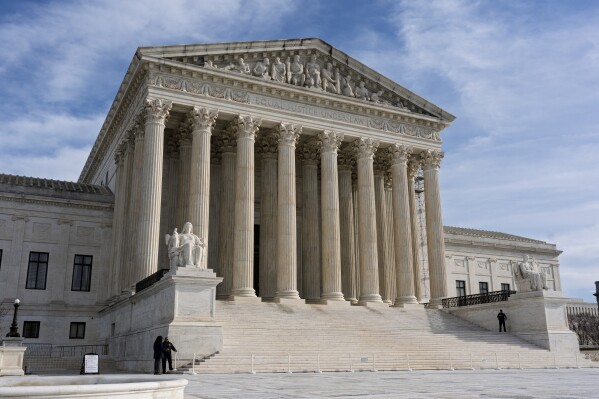
Supreme Court Ruling on Third-Country Deportations: A Closer Look at the Legal Debate
The recent Supreme Court decision to allow expedited deportation—specifically, sending several immigrants to South Sudan, a nation with which they share no ties—has stirred a lively debate among legal experts, human rights advocates, and policymakers alike. This opinion editorial examines the ruling’s background, the tricky parts of the legal challenges involved, and the potential implications for both national security and the safety of vulnerable immigrants.
The ruling, delivered on July 3, 2025, effectively reverses an earlier order by a federal judge in Massachusetts. The order had provided a window for detained immigrants to challenge removals to countries where they might face peril. Now, the Supreme Court’s decision paves the way for the continuation of deportation flights, including one that was recently detained in Djibouti—an event that has raised many tangled issues regarding both the rule of law and humanitarian considerations.
This analysis is an opinion piece that seeks to digest the fine points and subtle parts of this legal decision. While the decision is backed by a conservative majority that argues the expedited process secures national safety, it also highlights small distinctions in the application of international human rights norms, leaving many observers to wonder how the government will manage its obligations to both law and humanity.
Understanding the Broader Context of Immigration Law in Modern America
In recent years, immigration law in the United States has undergone significant shifts. The current administration’s tough stance on illegal immigration, combined with policies aimed at removing people who have committed crimes, has led to several high-profile court cases. The recent ruling is emblematic of a broader trend that prioritizes national security over the traditional due process protections sometimes afforded to vulnerable groups.
Critics argue that this decision represents a shift toward a more intimidating and overwhelming approach to immigration enforcement. The ruling showcases some of the confusing bits inherent in deportation policies—namely, the question of how far the government can go in relocating unwanted immigrants to third countries that have little in common with their Homeland. These legal moves bring to the forefront a number of challenging twists and turns that complicate the already tangled issues of international law and domestic judicial oversight.
The backdrop of this case is itself full of problems, with an ever-changing legal framework causing legal professionals to dig into the historical policies and strategies that led to the current scenario. Historically, the U.S. has worked with a number of countries to house immigrants when immediate returns to their homelands are infeasible. Yet, the question now remains: how will this new ruling, which expedites the process without affording a full opportunity to contest potential endangerment, impact the broader legal framework?
Third-Country Deportation: The Fast-Track Process and Its Shortcomings
The expedited deportation policy under review underscores a process designed for speed and efficiency—even if that means bypassing many of the careful, considered steps some legal experts believe are essential for safeguarding human rights. The Court’s decision has effectively rendered certain judicial orders “unenforceable,” which raises concerns about potential unintended consequences.
To help clarify the process, consider the following table outlining the key steps and some of the nerve-racking issues associated with each stage:
| Step | Description | Potential Issues |
|---|---|---|
| Identification of Subject | Immigrants who have committed serious crimes are identified for removal. |
|
| Issuance of Removal Orders | Final orders of removal are issued by immigration authorities. |
|
| Detention and Pre-Flight Process | Individuals are held in facilities, such as converted containers at naval bases, while awaiting deportation. |
|
| Flight and Deportation | The final step involves transporting the individuals to a designated third country. |
|
This table highlights some of the clear risks and conflicting priorities involved in the process. While the process is streamlined for swift deportations, it is also layered with complicated pieces that merit more careful scrutiny.
Legal and Constitutional Implications for National Security and Human Rights
The majority opinion contends that the need to protect American citizens and enforce the law justifies a fast-tracked process for removals—even to countries with which the United States has little affiliation. At the heart of their argument is the belief that immigration officials must be granted unfettered authority to figure a path through legal challenges that might otherwise impede swift action.
However, dissenting justices have objected strongly to what they perceive as government overreach. In their view, the decision is too loaded with issues—it fundamentally prioritizes the government’s need for an expedited process over the individual rights and safety of the deported immigrants. For these dissenters, there lies an inherent danger in a process that sidelines the chance to get into the little details that might well decide life or death for those affected.
Legal experts warn that siding too heavily with a streamlined state security approach risks undermining long-established protections that were designed to stave off potential tyranny. Moreover, the decision raises questions about adherence to international law and the potential for further legal challenges that could eventually force another reassessment of deportation policies.
Dissecting Judge Murphy’s Ruling and Its Subsequent Overturn
Central to this debate is the decision by federal Judge Brian Murphy, whose earlier ruling allowed migrants a chance to contest their deportation to third countries on the grounds of potential torture or inhumane treatment. Judge Murphy’s findings, while intended to safeguard human rights, were swiftly sidelined by the Supreme Court’s intervention with a sweeping order that declared his decision unenforceable.
This reversal by the higher court has been characterized as both a necessary step for maintaining national safety and a questionable dismissal of judicial checks that are meant to ensure fairness. For those who favor stringent immigration controls, the ruling simplifies the legal process by removing what they see as troublesome legal loops. Conversely, critics say that Judge Murphy’s order sought to protect some of the subtle parts and hidden complexities inherent in forced removals, and its reversal leaves vulnerable groups without a real opportunity to argue against potential harm in a foreign land.
In essence, the case exposes a tricky mismatch between the executive drive for speedy deportations and the judicial insistence on examining each case with the care it requires. This is a situation Laden with tension, where the awkward balance between expedience and due process becomes a central, unresolved question.
Impact on Migrants’ Safety and International Human Rights Concerns
For the eight men intended for deportation to South Sudan, the ruling implies that their fate will be sealed without a meaningful opportunity to challenge what might be very perilous conditions. The executive branch claims that these measures are essential for security, yet human rights advocates argue that sending individuals to environments where they face possible imprisonment, torture, or even death is recklessly off-putting.
The implications extend far beyond individual cases. They send a signal that in situations where national security is deemed paramount, human rights may take a backseat. This outcome leaves many to worry about the far-reaching consequences for individuals who might be caught in similar situations in the future. There is a strong risk that once the wheel is set in motion, the process will continue to erode some of the checks and balances originally intended to protect the vulnerable.
A summary of key concerns regarding the safety and rights of the deported immigrants includes:
- No meaningful judicial review in cases where conditions in third countries pose a severe risk
- The potential normalization of sending individuals to environments known for escalating political tensions
- Reduced accountability for detention practices and transfer conditions in overseas facilities
- The looming possibility of further isolation for already marginalized groups
These points highlight the delicate, nerve-racking balance between protecting national interest and ensuring that human rights do not fall by the wayside. In this debate, every fine shade of legal reasoning is up for review.
Dissenting Opinions: A Closer Look at the Conservative versus Liberal Reasoning
Notably, the split in the Court’s decision—with two liberal justices dissenting—underscores a fundamental legal and ideological divide. Justice Sonia Sotomayor’s pointed criticism asserts that while all litigants must adhere to the rules, the administration seems to have the Supreme Court on speed dial. This metaphor eloquently expresses a frustration over what is seen as an imbalance in judicial oversight.
Justice Elena Kagan, on the other hand, noted that while she did not fully agree with the original broad order to speed up removals, she recognized that it did countermand Judge Murphy’s findings specific to the South Sudan case. Her position reflects the fine twist and subtle details involved in reconciling federal authority with individual rights. Here, the small distinctions between competing judicial interpretations provide insight into how a balanced approach might have been maintained if all perspectives were fully considered.
Critics of the majority opinion argue that the ruling not only speeds up an already fast-paced process, but it also detracts from the necessary time required to thoroughly examine the potential dangers each migrant might face. This disagreement exposes the hidden complexities and nerve-racking decisions that judges must make when balancing national security against individual humanitarian rights.
Political and Administrative Pressures Behind the Ruling
No assessment of this decision is complete without acknowledging the significant political pressures that have influenced immigration policy over the past several years. The ruling comes amid a robust immigration crackdown by the Republican administration, which vowed to deport millions of undocumented immigrants. This executive pressure, combined with the current Supreme Court composition, has set the stage for a sweeping redefinition of deportation protocols.
Administrative leaders argue that removing individuals who have committed serious crimes is critical for the safety and security of the American public. In remarking on the ruling, Department of Homeland Security Assistant Secretary Tricia McLaughlin characterized the decision as “a win for the rule of law, safety and security of the American people.” Such statements emphasize the administration’s view that national security outweighs the potential risks to individuals who are already perceived as threats.
However, this argument runs into counterpoints raised by civil rights advocates and legal scholars, who assert that stripping away the opportunity for a meaningful challenge is both a reckless and overly simplified solution to what is, in reality, a full-of-problems and tense human rights issue. For these critics, every deportation case carries its own set of complicated pieces that refuse to be neatly categorized by a blanket security policy.
It is also instructive to observe how political rhetoric has shaped the narrative around this decision. The administration’s labeling of Judge Murphy as “a rogue district court judge” and the emphasis on the “lawless act of defiance” reflect a hardened stance on immigration enforcement. Yet, behind these slogans lie genuine concerns about the long-term impact on judicial independence and the risk that such measures may be used to justify further erosions of due process rights.
Working Through the Administration’s Rationale: Speed Versus Safety
The administration’s rationale for speeding up the deportation process often hinges on the argument that delays might expose U.S. citizens to risks from potential criminal elements. In their view, administrative efficiency is key to maintaining order and discouraging illegal immigration. Indeed, the decision to proceed with deportations—even when there is a chance that migrants may face appreciable danger—seems designed to deter future illegal activities.
Yet, working through this rationale reveals a number of problematic issues. For one, the idea that speeding up deportation inherently guarantees safety is debatable. By bypassing the opportunity for a thorough legal review, the government risks sending individuals to situations where their safety is not assured, thereby potentially exacerbating international human rights challenges.
Moreover, as observers try to figure a path through the government’s argument, the following points become apparent:
- The expedited system does not allow for a nuanced discussion around each migration case.
- There is insufficient evidence that a fast-track approach will enhance overall security measures.
- The potential backlash from international human rights bodies could complicate future policy implementations.
- The long-term societal impact of such policies remains largely untested and unpredictable.
Each of these points underlines the nerve-racking potential for unintended consequences—a reminder that even well-intentioned policies are often riddled with tension and hidden pitfalls.
Small Distinctions: The International Legal Dimension
Beyond domestic legal debates, this decision has a significant international legal dimension. Deportations to third countries, such as South Sudan, raise questions about the U.S. commitment to human rights treaties and international legal standards. Although South Sudan is currently experiencing severe political instability and mounting dangers, the legal framework that governs deportations rarely accounts for the harsh realities on the ground in the receiving nations.
This situation brings forth several small distinctions that must be carefully examined:
- International treaties versus domestic enforcement priorities
- Procedural fairness in the context of expedited deportation orders
- The impact of third-country conditions on the rights of deported individuals
- Potential diplomatic fallout from perceived disregard for international norms
Each of these points reflects subtle details that, while not immediately apparent in the sweeping language of the ruling, are critical for understanding the full scope of its impact. Countries that receive deported immigrants could themselves face political and security challenges, complicating bilateral relations and possibly igniting further legal disputes down the line.
Reactions from Legal Experts and Advocacy Groups
Reaction to the ruling has been understandably mixed. Many legal experts applaud the decision for asserting the executive branch’s authority and reinforcing national security measures. They argue that in times of heightened security concerns, a streamlined process focused on state interests is not only essential but also inevitable.
On the flip side, a wide range of human rights groups and legal scholars decry the ruling, emphasizing that it fails to protect some of the most vulnerable segments of society. Critics point out that the decision radically reduces the opportunity for those affected to argue that their removal could place them in peril—a practice that, until now, served as an important check within the immigration system.
In summing up the responses, several key themes emerge:
- A need for balanced policy-making that considers both security and humanitarian issues.
- Concerns that expedited deportations weaken established legal safeguards.
- An ongoing debate about the fairness and legality of transferring individuals to countries with unstable political climates.
- Worries about the diminishing role of the judiciary in protecting individual rights against sweeping administrative power.
These contrasting perspectives underscore the complexity of an issue that, on the surface, appears straightforward but is in fact loaded with issues that are both legally and morally charged.
Implications for Future Immigration Litigation and Policy Development
The Supreme Court’s decision is likely to have far-reaching repercussions on future immigration litigation and policy development. Legal scholars suggest that the precedent set by this ruling could embolden the executive branch to pursue even more aggressive deportation strategies in the years ahead. This is a development that could lead to additional cases being fast-tracked without proper consideration of each individual’s circumstances.
The potential for future litigation is significant. As the government’s policy framework evolves, so too will the legal challenges mounted by advocacy groups and affected individuals. The following bullet points encapsulate some of the trends we may witness in the near future:
- Increased judicial scrutiny over executive deportation orders.
- More lawsuits from affected migrants challenging the safety of third-country assignments.
- A surge in debates relating to the balance between national security and individual rights.
- Potential legislative responses aimed at clarifying the legal standards for expedited removals.
Moreover, as new data emerge regarding the outcomes for individuals sent to countries with volatile conditions, policymakers may be forced to re-evaluate the procedures currently in place. These adjustments could involve reintroducing more time for judicial review, or implementing additional safeguards to ensure that deportation does not immediately translate into human rights violations.
Looking at the Fine Points: The Role of Judicial Oversight in a Fast-Paced System
The fast-track deportation process, while attractive in its promise of enhanced security, is also rife with the small distinctions that define any legal process fundamentally. Due process and judicial oversight are meant to serve as a counterbalance to executive power, ensuring that every case is reviewed in full. In this instance, by effectively sidelining Judge Murphy’s ruling, the Supreme Court has prioritized administrative efficiency over a more measured judicial review.
This decision stands as a stark example of the challenges inherent in figuring a path through the responsibilities of the judiciary in times of national security concerns. As legal professionals continue to poke around the consequences of this ruling, the following issues remain particularly troubling:
- The sidelining of precedent in favor of administrative expediency.
- A potential erosion of trust in the judicial system’s ability to handle sensitive immigration cases.
- Inconsistencies between the rapid pace of executive action and the slower, more deliberate pace of judicial processes.
- The risk that future rulings may further tip the scales toward unfettered state authority.
For those who believe in the balance of powers, this is a sobering reminder that even the highest court in the land can find itself embroiled in debates that involve both practical governance and the very core of American constitutional values.
International Comparisons and the Global Implications
Although the discussion thus far has largely centered on domestic legal and political landscapes, it is essential to recognize that similar debates are playing out around the world. Many nations struggle with their own contentious issues regarding immigration and the treatment of non-citizens, particularly those who have committed crimes or who may face danger if returned to their country of origin.
Looking across the globe, a few key points of comparison stand out:
- Many European nations have experienced their own debates regarding the expulsion of individuals to third countries, often confronting similar criticisms regarding human rights protections.
- The global refugee crisis has forced policymakers to balance national security concerns against international humanitarian obligations.
- The rising tide of populism in various regions has led to a greater emphasis on deportation as a policy tool, sometimes at the expense of due process safeguards.
- International legal standards vary, but the fundamental rights of individuals remain a subject of contention in many legislative and judicial systems.
These international comparisons reveal a common thread: the challenges encountered when trying to reconcile state security with individual rights are neither isolated nor unique to the United States. Instead, they are part of a larger, ongoing dialogue that spans jurisdictions and continents—a dialogue that the U.S. Supreme Court’s decision is now contributing to in a very direct way.
Evaluating the Political Ramifications and the Role of Public Opinion
In politically charged environments, public opinion plays a critical role in shaping policy, and this ruling is no exception. On one hand, proponents of strict immigration policies are likely to view the decision as a necessary measure to reinforce national security and deter criminal activity. On the other hand, opponents fear that sidelining judicial review undermines the principles of fairness and decency that are supposed to guide any legal process.
Various polls and public commentary suggest that opinions on the matter can vary widely based on individual experiences and ideological leanings. Here are some factors fueling the debate:
- The perceived threat from illegal immigration and associated criminality.
- The media’s portrayal of immigration as a security issue versus a human rights concern.
- Historical experiences with due process in immigration courts, including high-profile cases that have garnered national attention.
- The influence of political leaders and pundits whose rhetoric often frames the issue in stark, black-and-white terms.
Public meetings, social media discussions, and expert panels have all highlighted that this ruling is both a legal milestone and a flashpoint in the ongoing debate about America’s identity and commitment to fairness. Regardless of one’s position, it is clear that the decision will continue to reverberate not only in courtrooms but also in communities across the nation.
Anticipating Future Legal Challenges and Policy Revisions
Given the highly charged nature of the ruling, it seems inevitable that we will soon witness additional legal challenges. Critics of the decision are likely to take their grievances to higher courts or seek legislative remedies to reinstate more review opportunities for detained immigrants. Here are some potential future developments:
- New cases that challenge the breadth of executive authority in deportations may soon emerge, with affected individuals or rights groups seeking to overturn expedited processes.
- Legislative bodies might be prompted to introduce new statutes intended to preserve judicial oversight in immigration matters, ensuring that safeguards are not completely bypassed.
- International organizations and human rights advocates could increase pressure on the government to adhere more closely to global norms, setting the stage for further policy shifts.
- The decision may inspire similar actions in other jurisdictions where fast-tracked deportations are seen as a tool for political or security gain.
Each of these scenarios underscores the idea that while the current ruling provides a temporary reprieve for supporters of robust immigration enforcement, it also creates a breeding ground for further disputes. As legal frameworks and societal norms continue to evolve, the full consequences of this decision remain uncertain.
Balancing Act: National Security and the Protection of Human Dignity
At its core, the debate around this ruling comes down to a delicate balancing act—a struggle to find a middle ground where the imperative of national security does not completely overshadow the need to protect human dignity. On one side, there is a compelling argument that swift action against individuals who pose a genuine threat is absolutely essential for maintaining public order. On the other side, the risk of sending people to environments where they may face torture, imprisonment, or worse is a moral and legal dilemma that simply cannot be ignored.
For many observers, the solution does not lie in choosing one approach at the expense of the other, but rather in finding a way to methodically address both sets of concerns. This requires a willingness to sort through each case with careful, measured steps that consider:
- Whether the expedited process adequately safeguards against potential abuses.
- If there are sufficient checks and balances to ensure that each individual’s situation is fully reviewed.
- How government action might be recalibrated to maintain public trust while still enforcing the law.
- What adjustments, if any, should be made to international agreements to address the complexities of deporting individuals to third countries under unstable conditions.
It is a truly nerve-racking challenge—one that requires policymakers, judges, and advocacy groups to work together to ensure that no single perspective dominates at the expense of another. In taking this balanced view, one must acknowledge that security and human rights are not mutually exclusive but are both essential components of a just society.
The Role of Media and Public Discourse in Shaping Future Outcomes
Media coverage plays a crucial role in framing legal decisions for the public. In this case, the manner in which the Supreme Court’s ruling is communicated can either reinforce a sense of security or intensify fears about waning human rights protections. Journalists and opinion leaders have an essential part to play in unpacking the tricky parts of this issue, offering deep insights into both the administrative rationale and the judicial dissent.
Effective public discourse on this matter should aim to:
- Clarify the steps involved in the deportation process and explain the legal basis for the expedited system.
- Highlight the potential risks for individuals sent to dangerous foreign environments.
- Encourage an open, nuanced discussion that addresses both national security and human rights concerns, instead of resorting to oversimplified narratives.
- Create forums where legal experts, civil rights groups, and government representatives can share their perspectives and work through the tangled issues together.
Transparent and balanced media reporting is super important to ensure that the public remains well-informed about the ramifications of such high-stakes legal decisions. In doing so, society can better hold elected officials and judicial bodies accountable for the future course of immigration policy.
Conclusion: Forging a Path Forward in a Legal Landscape on Edge
The Supreme Court’s decision to permit the deportation of individuals bound for South Sudan encapsulates many of the nerve-racking debates currently at the heart of U.S. immigration policy. With the speed of the decision, key legal safeguards have been cast aside in favor of what is seen by some as a necessary, even if intimidating, measure to bolster national security. Yet, this approach is not without its significant risks, particularly regarding the safety and due process rights of those affected.
Critics stress that the ruling, by minimizing the opportunity for affected parties to challenge their removal, sets a dangerous precedent—a move that could lead to further erosion of judicial oversight and eventually tip the scales too far in favor of executive power. Meanwhile, supporters of the decision argue that in an era marked by complex security challenges, a rapid-response system is essential for preserving public safety and deterring those who might seek to undermine it.
In reflecting on this pivotal moment, one is reminded of the fine balance required in managing legal processes that are both fast-paced and profoundly consequential. While the government’s actions aim to secure the nation, it is equally crucial that the rights of individuals are not swept aside in the rush for efficiency. The future of immigration law—and indeed, the broader framework of justice—may well depend on finding a solution that addresses both the key concerns of public safety and the equally critical need for humane treatment.
As policymakers, legal experts, and the public continue to dig into the lasting effects of this ruling, one thing is clear: the road ahead is filled with twisted legal turns and challenging, confusing bits. The decisions made in the coming months and years will likely define the contours of immigration enforcement and highlight the ongoing struggle to reconcile state power with individual rights on both domestic and international fronts.
In closing, the Supreme Court’s decision stands as a stark reminder that in the realm of immigration policy, the delicate interplay between administrative efficiency and human rights remains as contentious as ever. It is now up to society to ensure that future policies will not only protect national security but also preserve the dignity and safety of every individual, no matter where they might be sent.
Originally Post From https://www.nbcbayarea.com/news/national-international/supreme-court-clears-way-deportation-south-sudan-several-immigrants-with-no-ties-there/3907345/
Read more about this topic at
US Supreme Court sides with Trump in South Sudan …
Supreme Court eases rapid deportations to countries …